
Lunarlab 2026
Applied AI for Lunar exploration
Lunarlab brings together leading researchers in machine learning, space exploration, planetary stewardship, human health, and related disciplines to tackle high-impact global challenges through applied AI.
Hosted in collaboration with the Luxembourg Space Agency (LSA), Lunarlab combines interdisciplinary research, rapid experimentation, and world-class mentorship in an intensive summer research sprint designed to create meaningful scientific and engineering outcomes.
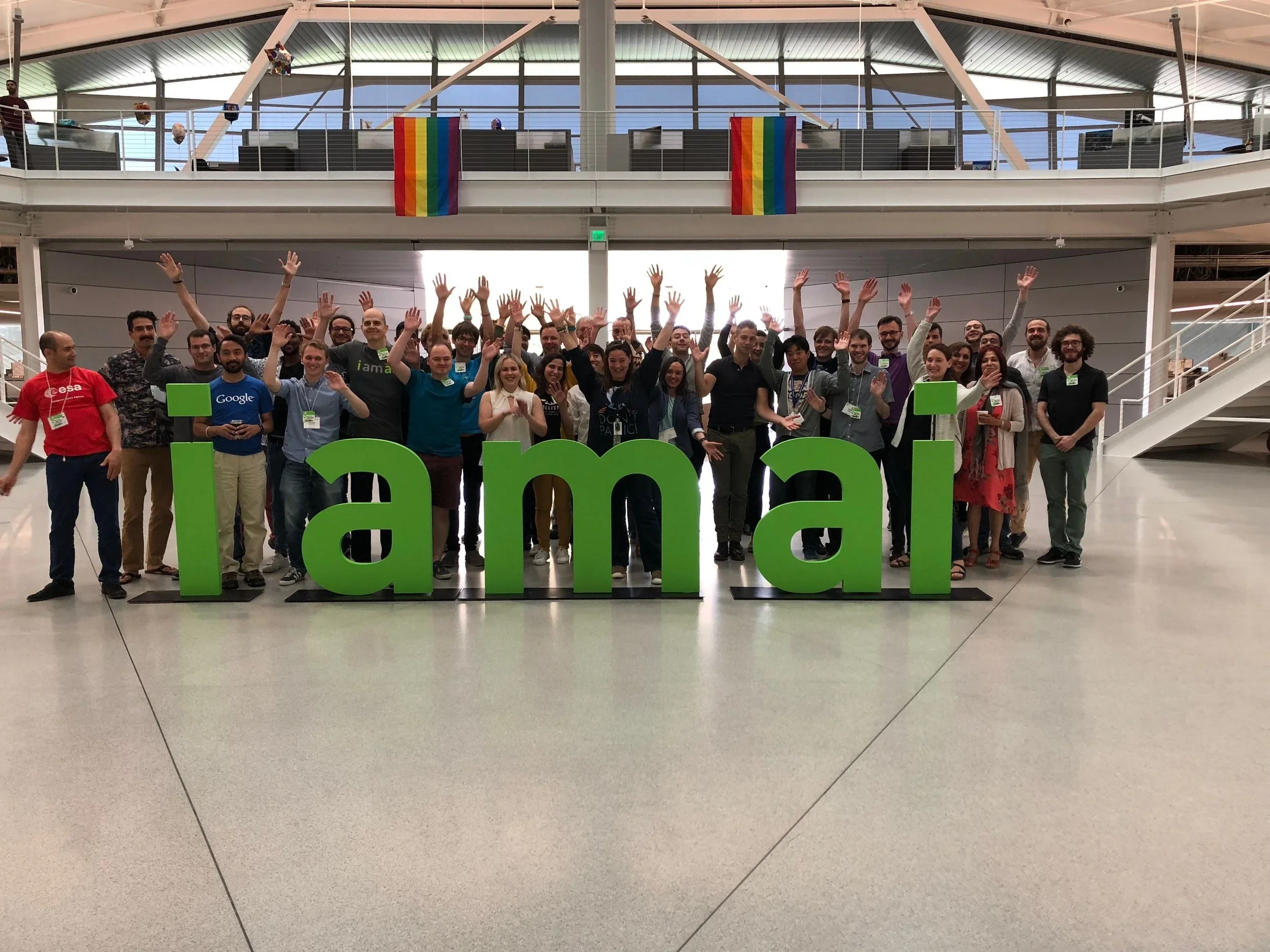
Welcome to Lunarlab 2026
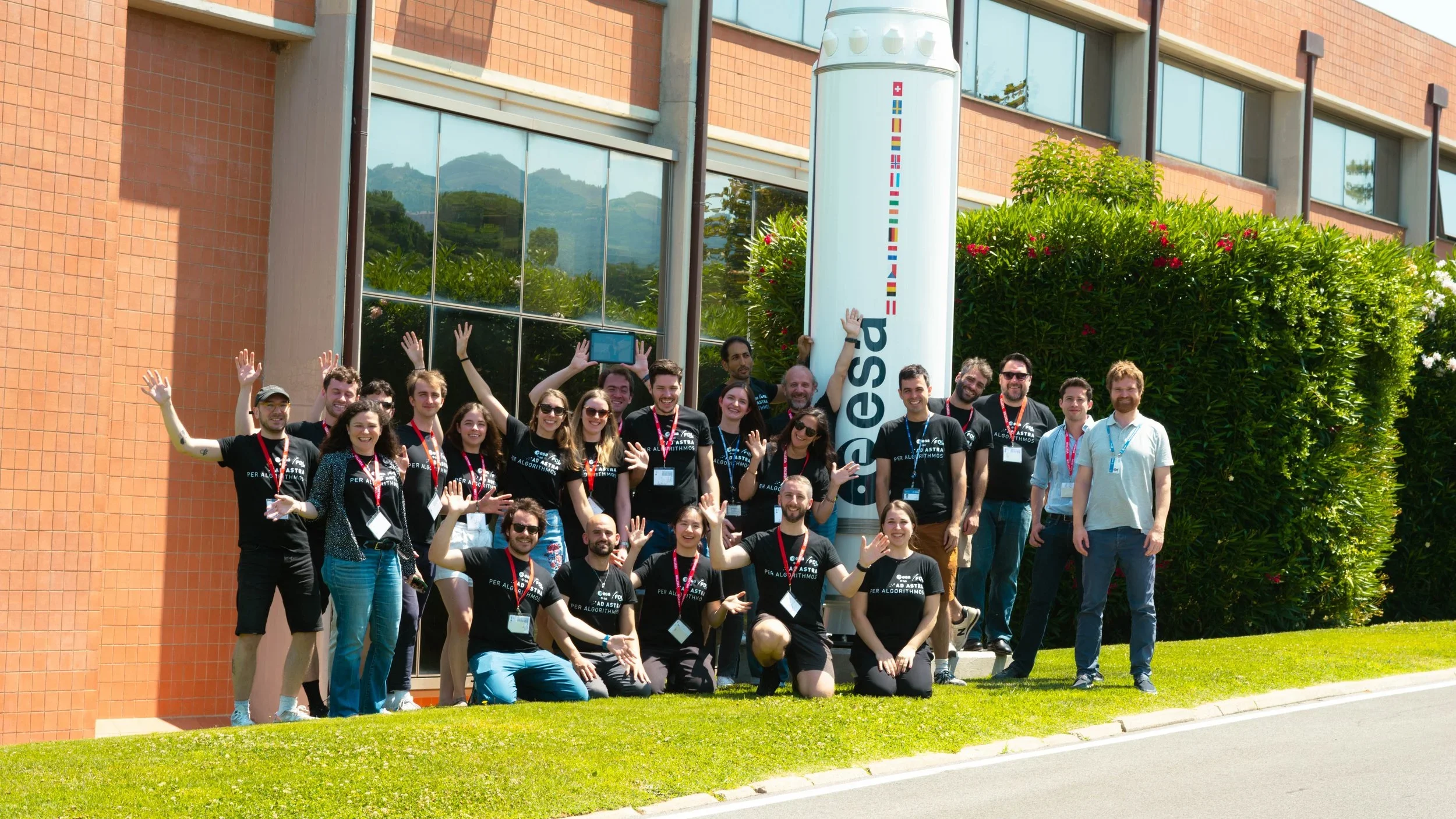
The Lunarlab Bootcamp is the launchpad for the research sprint, bringing participants together in Frascati, Italy. Over the course of Lunarlab, researchers collaborate in interdisciplinary teams to explore ambitious ideas, develop AI pipelines, and create reproducible research outcomes with real-world applications. Participants are selected not only for technical excellence, but also for their ability to thrive in collaborative, high-performance research environments.
What is Lunarlab?
Lunarlab is an applied artificial intelligence research cycle focused on advancing machine learning, data science, and high-performance computing for problems of material importance to humanity.
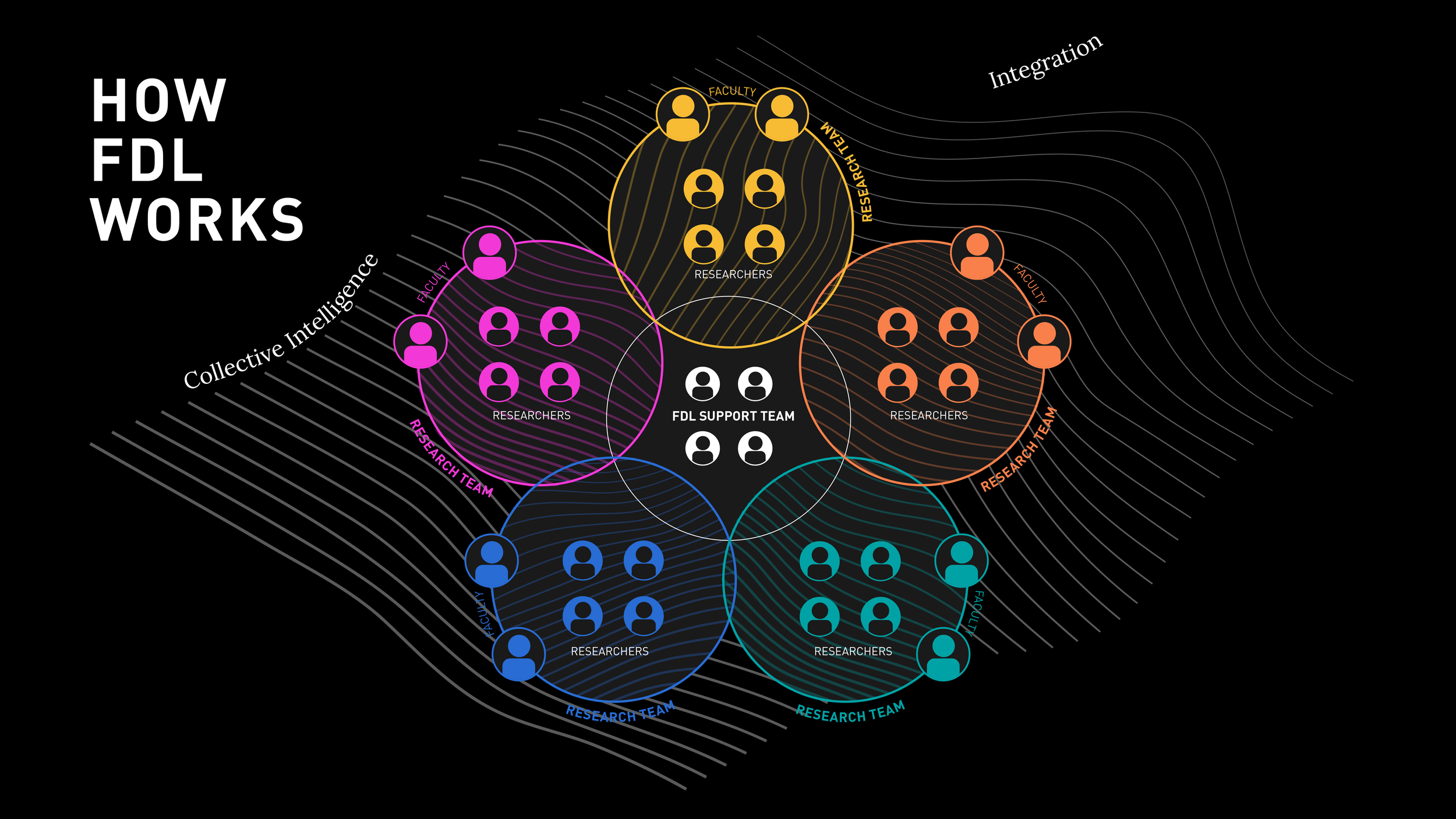
The Lunarlab core approach is pairing machine learning researchers with domain experts in intensive interdisciplinary teams. While the research sprint itself runs for eight weeks, the full Lunarlab research cycle extends over approximately twelve months, from challenge definition through to technical memos, scientific outputs, and deployable data products.
HOW FDL WORKS
Interdisciplinary Research
Each challenge team combines expertise from:
Machine learning and AI
Earth and climate science
Space science
Cyber-physical systems
Planetary science
Astrobiology and related domains
Teams are supported by faculty leads, technical mentors, partner organisations, and expert reviewers.
Rapid Iteration
Lunarlab is structured around accelerated experimentation and continuous review. Teams rapidly prototype ideas, evaluate approaches, refine ML pipelines, and iterate toward reproducible outcomes.
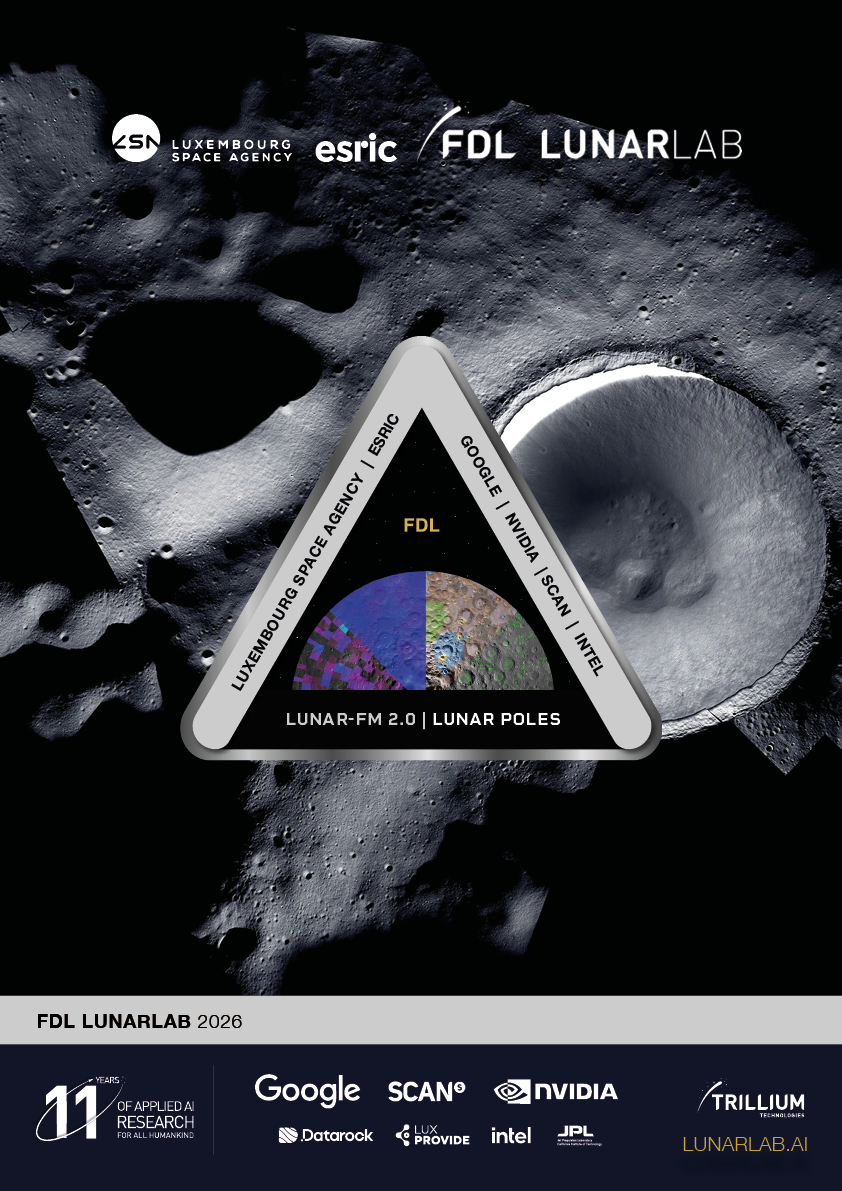
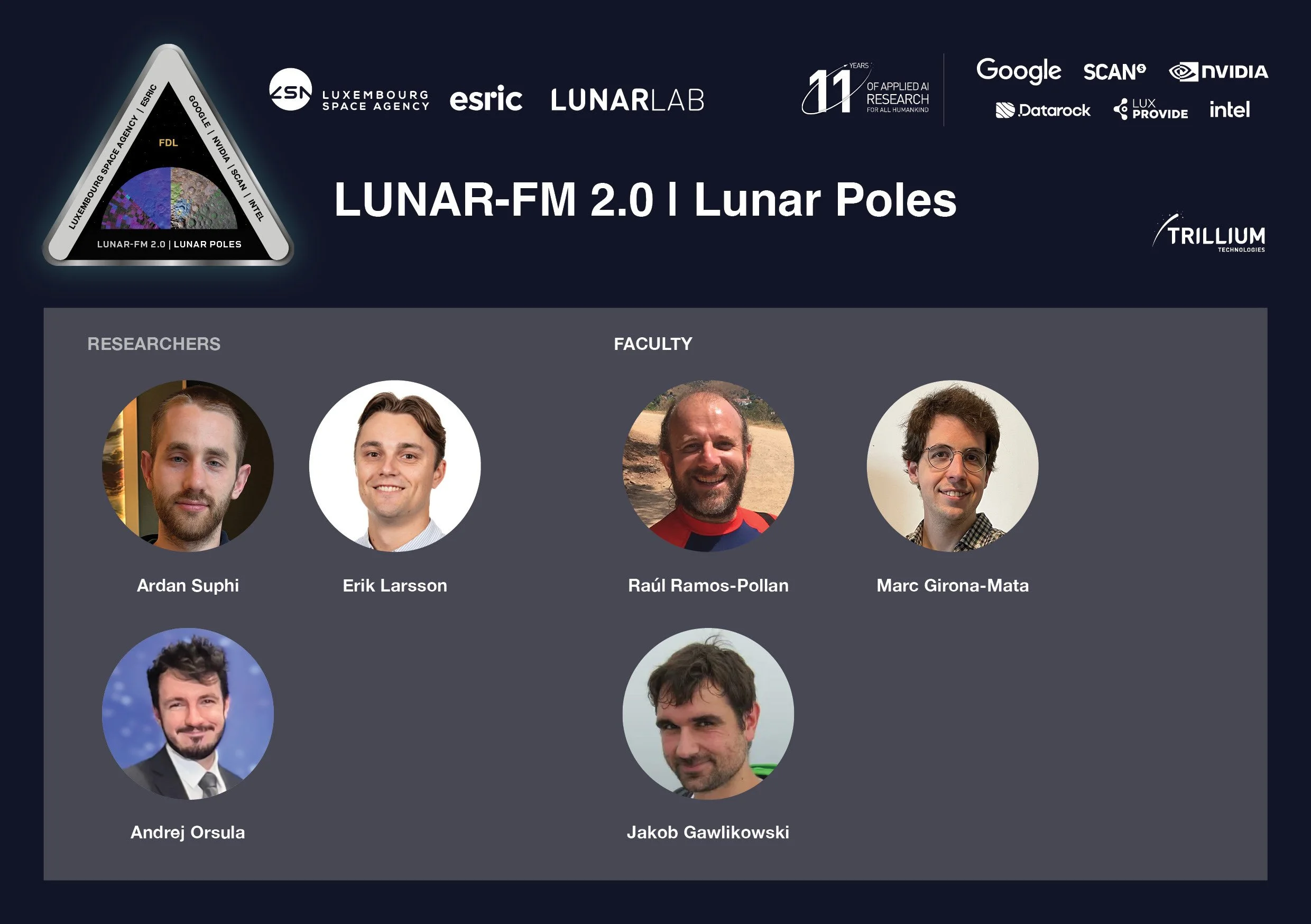
LUNAR-FM 2.0 | LUNAR POLES
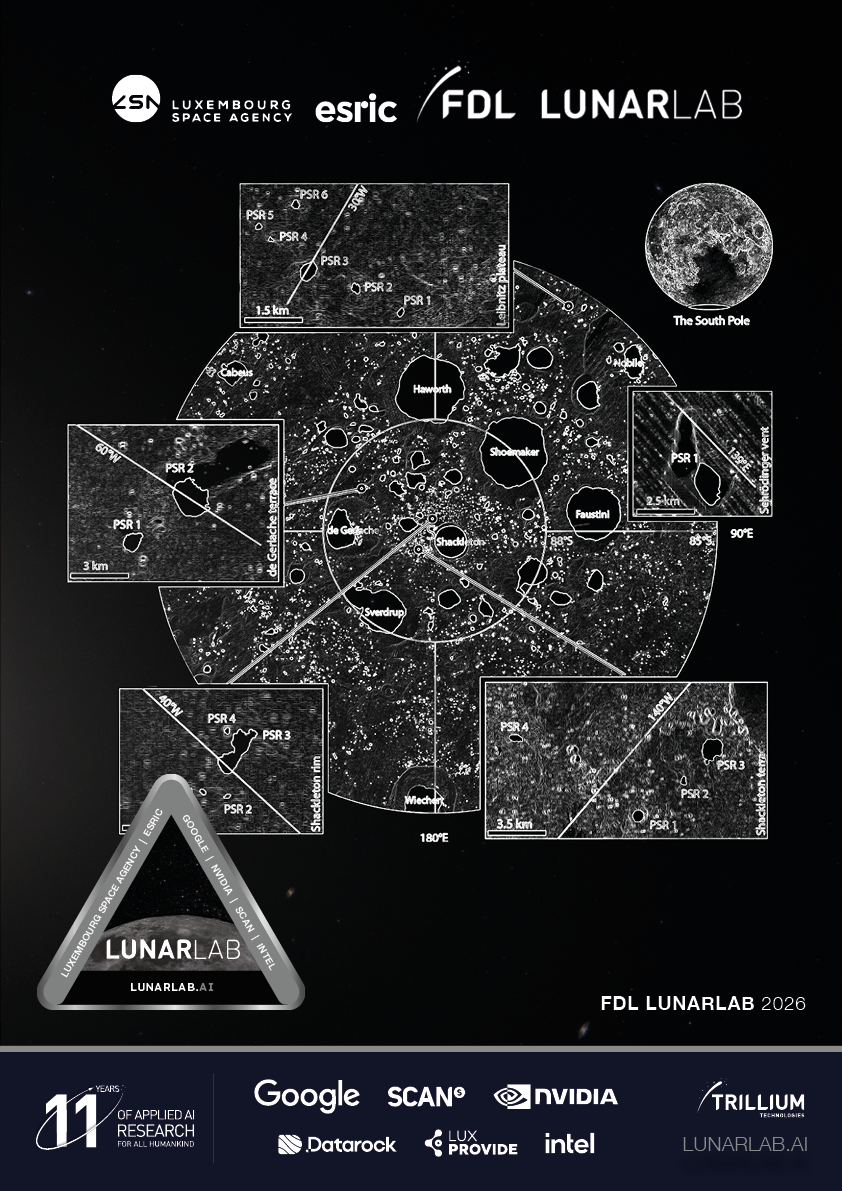
Creating a next generation multimodal multi-resolution lunar foundation model for the lunar poles.
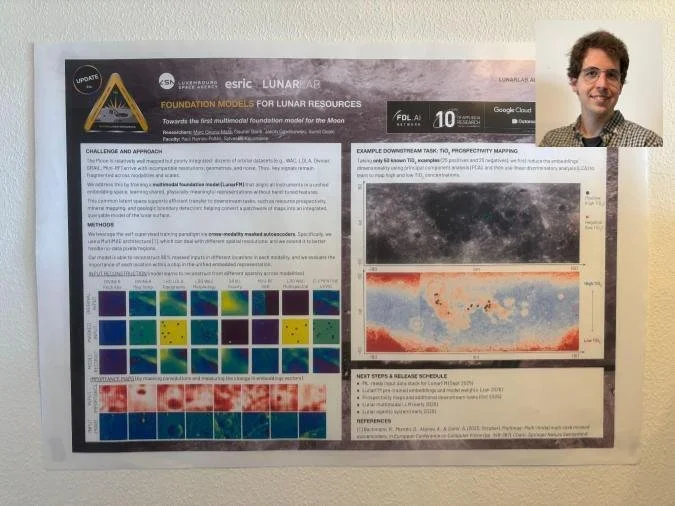
Lunarlab 2026 will exploit high resolution NAC imagery, together with lower resolution products to provide a foundation model with multimodal pixel level embeddings at ~1m. The challenge will incorporate physics-based constraints in DEM reconstruction from shadows, and generate multimodal tokenizers for use with LLMs, enabling a step change in possible downstream operational applications.
Research Outcomes
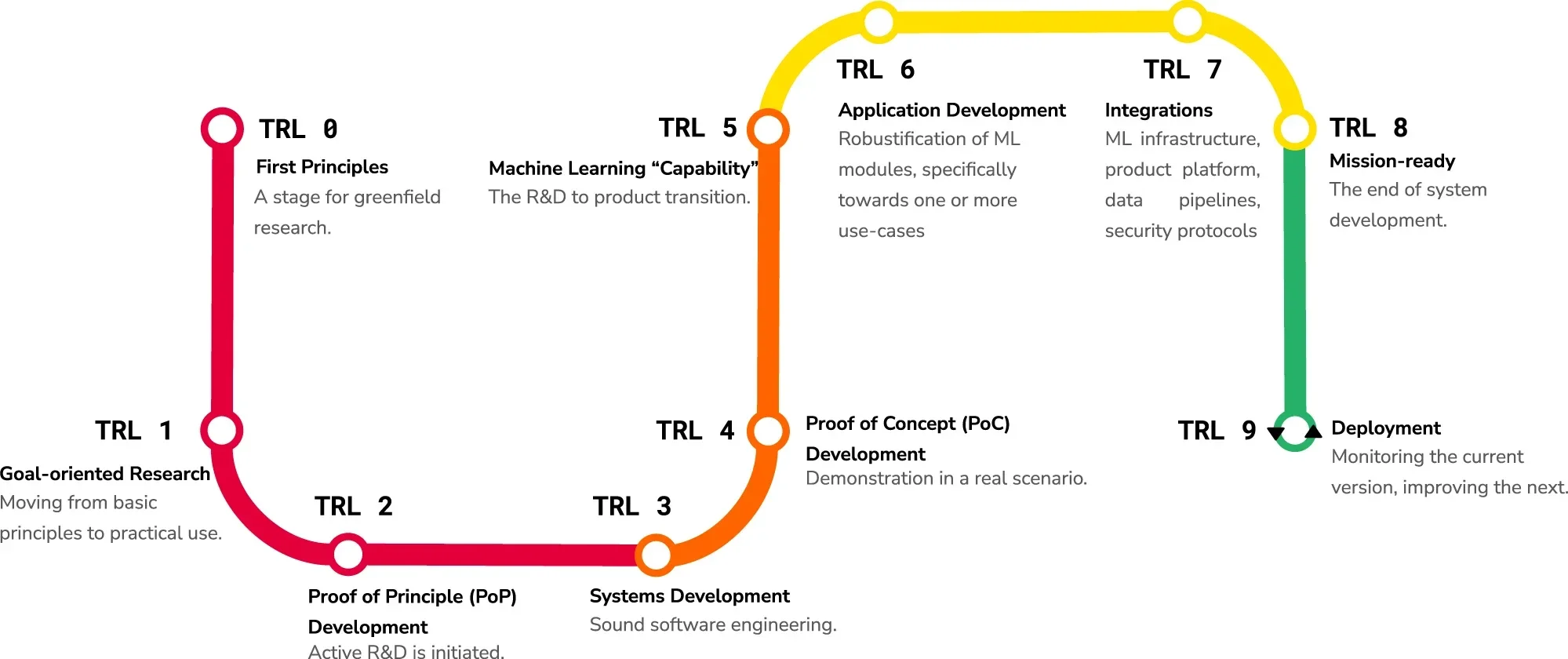
FDL outcomes are typically developed to mid-Technology Readiness Level (TRL), meaning:
AI and ML pipelines are validated in realistic scenarios
Results are reproducible
Scientific or engineering findings can be documented in technical memos or publications
Workflows follow best practices in software and data engineering
Community-Driven Excellence
A defining feature of Lunarlab is its collaborative culture. Teams are encouraged to combine ambitious thinking with supportive working practices that enable creativity, resilience, and high-performance collaboration..
The FDL Research Cycle
Countdown Phase
1-15 June 2026
The Countdown Phase serves as the onboarding and orientation period for Lunarlab.
Key goals
Meet fellow researchers and faculty
Establish team dynamics and communication practices
Build shared understanding of tools, terminology, and workflows
Gain access to compute environments and datasets
Prepare for the in-person Bootcamp
Key Sessions
Culture Session: 4 June
An introduction to the ESL community, collaboration principles, and team culture.
Tool Onboarding: 9 June
Introduction to communication platforms, project management tools, cloud compute resources, and best practices.
Initial Team Meetings: 1 - 15 June
Early exploratory meetings between challenge teams and faculty to align on expectations and begin preparing for the sprint.
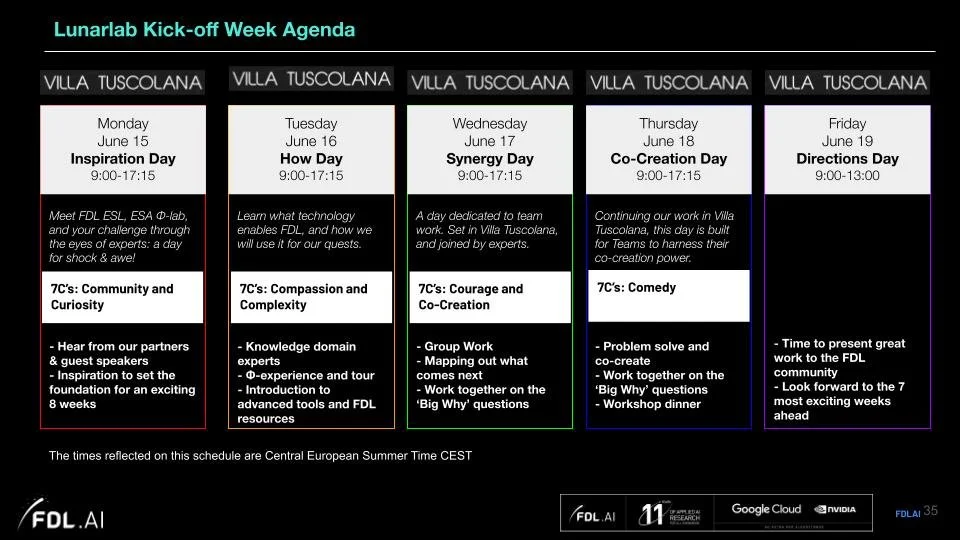
Bootcamp Week
15–19 June 2026
Frascati, Italy
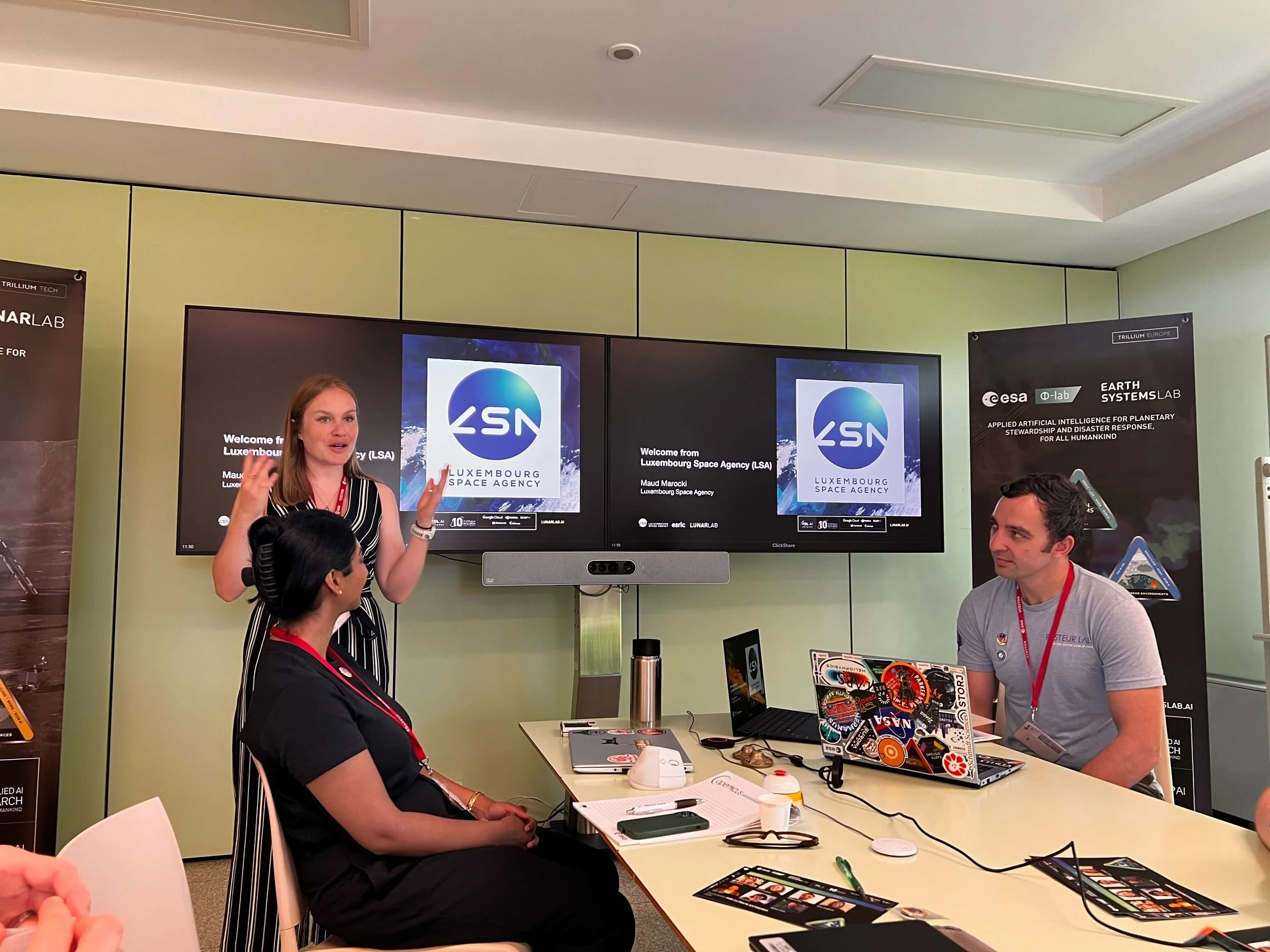
Bootcamp is the official launch of Lunarlab.
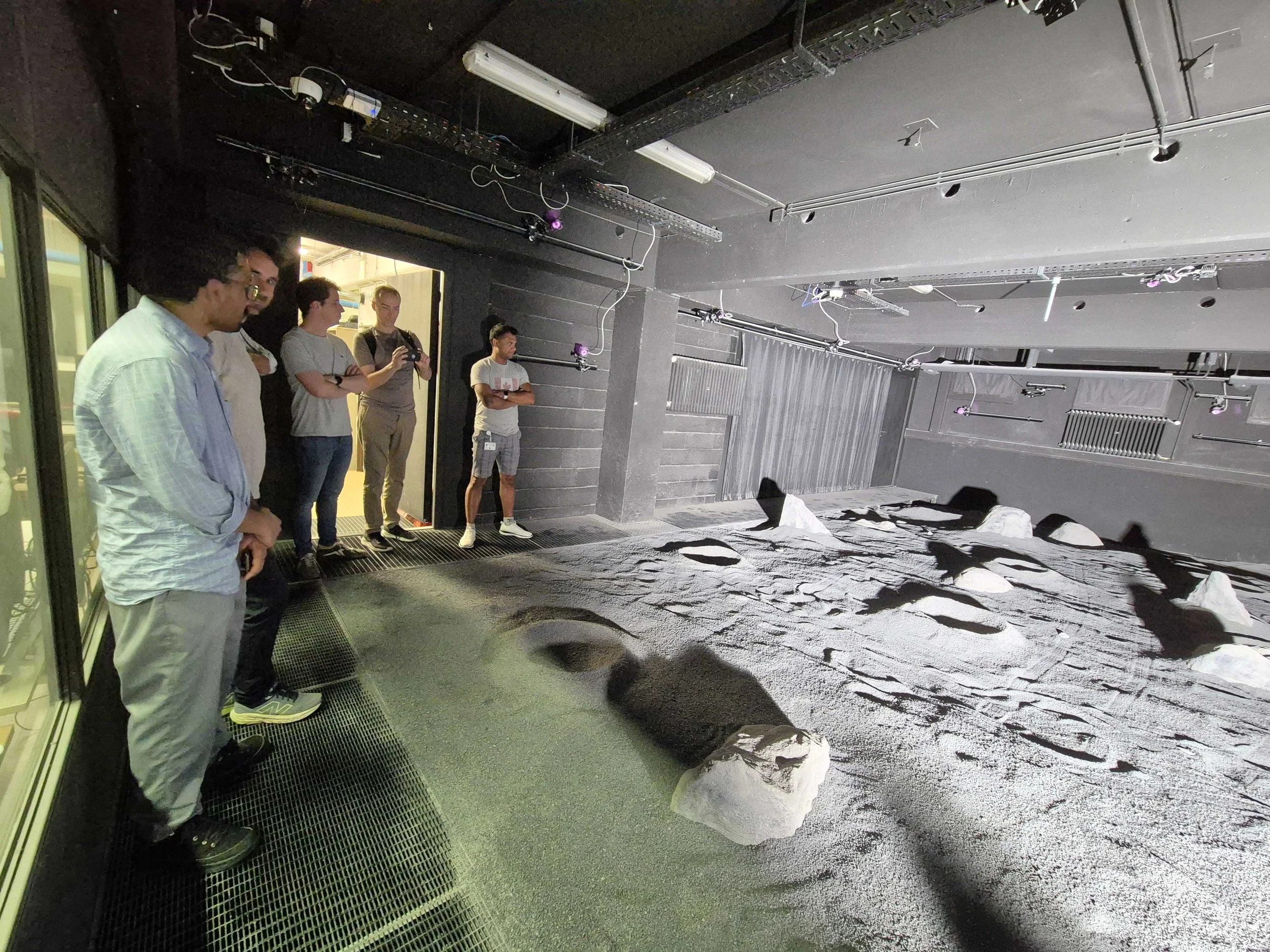
Held in person in Frascati, Bootcamp brings together researchers, faculty, stakeholders, and partners for an immersive week focused on:
Understanding challenge context
Exploring AI and ML methodologies
Building team cohesion
Establishing research directions
Learning collaboration frameworks and working practices
Throughout the week, participants take part in:
Science talks
Technical workshops
Practical sessions
Team exercises
Collaborative planning activities
Teams also begin developing their “Big Why”, the overarching motivation and ambition behind their research challenge.
Sprint Phase
15 June – 7 August 2026
Lunarlab involves an intensive eight-week research cycle designed around rapid experimentation, prototyping, evaluation, and iteration.
Weekly Reviews
Teams participate in regular reviews with:
Faculty leads
Stakeholders
Industry experts
Scientific reviewers
These reviews provide:
Technical feedback
Research guidance
Evaluation of progress
Opportunities to refine direction
Exposure to external expertise
Research Structure
15-19 June 2026
Week 1 — Bootcamp
Introduction to Lunarlab, collaboration practices, and challenge exploration.
Week 2 — Exploration
Teams define and evaluate multiple research directions:
Safe Direction
Stretch Direction
Bold Direction
The goal is to identify both practical and breakthrough opportunities.
Week 3 — Development
Initial prototypes are tested and refined. Teams narrow toward their strongest concepts and begin developing formal technical plans.
Week 4 — Pipeline Development (“Max Q”)
Teams develop and stress-test their machine learning pipelines while receiving expert critique through focused workshops.
Week 5 — Calibration
Research directions are refined based on review feedback and experimental results.
Week 6 — Improvement
Teams strengthen evaluation methods, improve model performance, and prepare demonstration outputs.
Week 7 — Write-Up
Researchers prepare:
Technical memos
Scientific posters
Showcase presentations
Week 8 — Showcase
Teams present polished TED-style presentations during the Lunarlab Live Showcase.
Live Showcase
7 August
The Live Showcase marks the culmination of the sprint phase.
Researchers present their work to:
LSA stakeholders
Scientific experts
Industry leaders
The wider Lunarlab community
The showcase celebrates cutting-edge AI applications for planetary stewardship, climate resilience, and disaster response.
Technical Showcase
30 October
During the technical showcase with LSA stakeholders, the teams will present a deeper examination of the initial results of Lunarlab. Researchers will share their results for approximately 30 minutes followed by 30 minutes of Q&A.
Sharing Phase
September – December 2026
Following the sprint, teams continue refining and publishing their work.
The Sharing Phase supports:
Technical memo completion
Scientific papers and posters
AI workflow documentation
Data product development
Conference presentations
Continued collaboration with partners
The goal is to ensure that outcomes are credible, reproducible, and ready for broader scientific and operational use.
At the end of Lunarlab 2026, the teams have three key deliverables:
A scientific poster (using Lunarlab templates)
A technical memo (using Lunarlab templates)
A final technical showcase.
Faculty
Faculty are experts in either the scientific domain or machine learning (and sometimes both). Faculty form the core leadership team and are crucial to the successful development of Lunarlab challenge.
Faculty support teams by:
Guiding research direction
Helping refine experimental approaches
Providing scientific and ML expertise
Supporting problem-solving and iteration
Encouraging ambitious thinking
Challenges are intentionally researcher-led and faculty-supported.
The objective is not to provide answers, but to create an environment where teams can discover breakthrough solutions together.
Collaboration and Culture
Lunarlab is built on the belief that breakthrough applied AI research is fundamentally collaborative.
Lunarlab encourages:
Interdisciplinary thinking
Constructive feedback
Curiosity and experimentation
Compassionate teamwork
Shared ownership of outcomes
Ambitious problem solving
A core principle of Lunarlab is “co-opetition” - combining friendly competition with active collaboration and knowledge sharing.
The 7 Cs of ESL Culture
Lunarlab encourages a collaborative mindset through seven guiding principles:
Community: Together we can do wonderful things.
Curiosity: Learn and Teach. Teach and Learn.
Compassion: Always be kind. Fear is the mind-killer!
Complexity: Your process together is not linear or predictable.
Courage: Aim for the stars.
Co-creation: Embrace diversity of thought to see a new possibility.
Comedy: Don’t forget to smile.
These principles help teams operate effectively under the pressure and uncertainty that often accompany high-impact research.
Deliverables
At the conclusion of Lunarlab, teams produce a range of research outputs, including:
Scientific posters
Technical memos
AI workflows and pipelines
Data products
Showcase presentations
Conference and publication submissions
These outputs are designed to support reproducibility, scientific communication, and future deployment pathways.
Communication
At the conclusion of Lunarlab, teams produce a range of research outputs, including:
Scientific posters
Technical memos
AI workflows and pipelines
Data products
Showcase presentations
Conference and publication submissions
These outputs are designed to support reproducibility, scientific communication, and future deployment pathways.
Why Lunarlab Matters
Lunarlab exists to accelerate the application of AI to some of the most urgent challenges facing humanity.
Lunarlab combines:
Advanced machine learning
Scientific expertise
High-performance computing
Interdisciplinary collaboration
By bringing together researchers from around the world, Lunarlab aims to create practical, ambitious, and scientifically rigorous outcomes that contribute to planetary stewardship and the future of human exploration.
Key Dates
Countdown Phase
1–15 June 2026
Bootcamp Week
15–19 June 2026
Sprint Phase
15 June – 7 August 2026
Live Showcase
7 August 2026
Technical Showcase
30 October 2026
Sharing Phase
September – December 2026
Key Links
Contact
If you have any questions or queries, please reach out to Carmen at carmen.waters@trillium.tech.